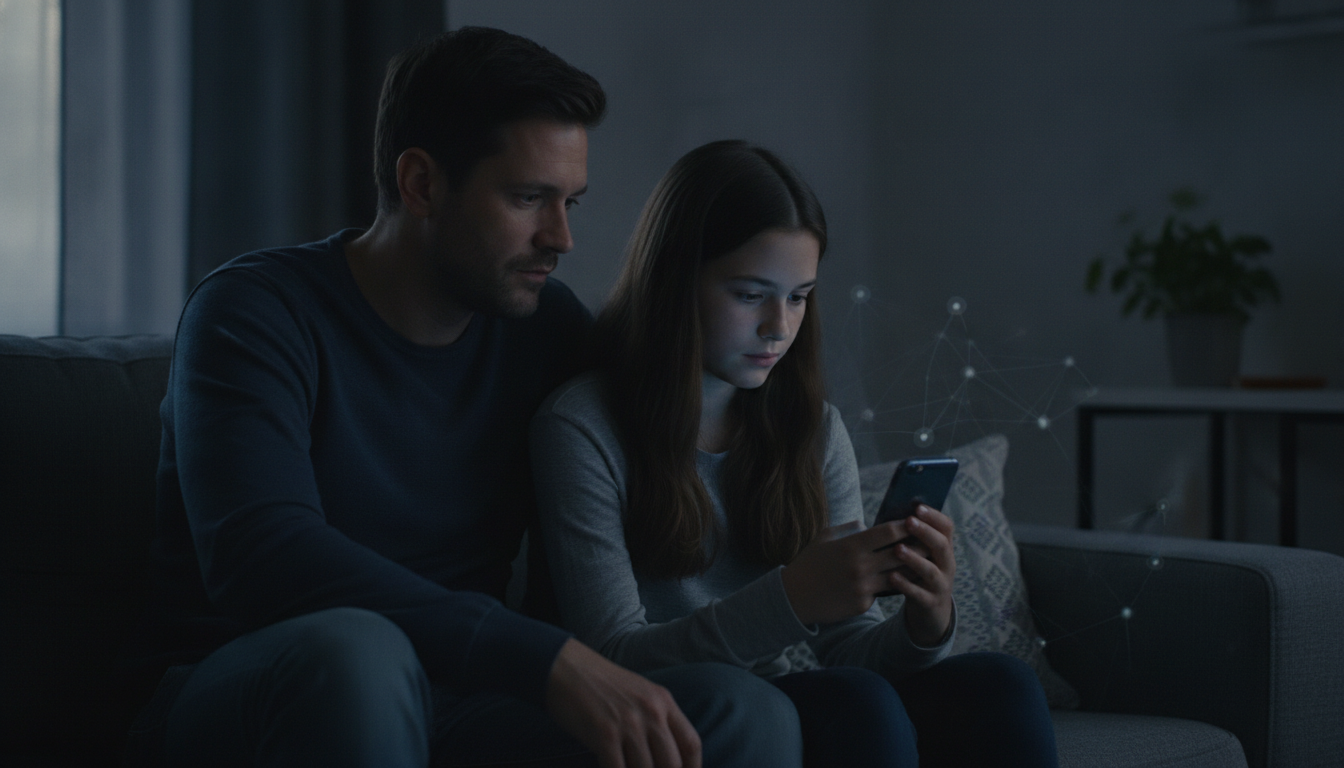
64% of Teens Already Use AI Chatbots — and History Says Protections Will Arrive Years Too Late
Social media took more than a decade to face a reckoning over what it did to children. A new round of reporting this week asks the uncomfortable question: will AI be any different? For parents, the honest answer is that your child is already using it.
The number to hold: 64%. That is the share of US teens who report using AI chatbots, according to Pew Research Center. Twelve percent say they have turned to a bot for emotional support. Meanwhile, no comprehensive federal law protecting children from AI has passed.
Why This Matters to You
Social media harms became clear only after a generation of children had lived with them. Researchers and advocates now warn that AI may move faster. Social psychologist Jonathan Haidt has said he believes AI is "a much bigger threat to children even than social media," pointing to the attachments young people can form with chatbots.
On timing. Child development researcher Dr. Dana Suskind: "You don't unleash something on a population, figure out if it does harm or not in real time."
On the unknown. Parent advocate Kristin Bride asks: "How are we going to get at what we don't know is coming?"
AI is easier to defend than social media because its upsides for teens are easier to point to — which is exactly why its risks are easier to overlook.
Where the Protections Stand
Washington. Some child-safety bills have moved through Senate subcommittees with bipartisan support, but none has become law.
States. State action is moving faster, but a presidential order seeks a single national framework that could delay or weaken state rules.
Companies. OpenAI introduced teen accounts and parental controls this year. Character.AI says users under 18 will no longer have open-ended chats.
The UN. The UN human rights chief warned this week that "the clock on AI regulation is ticking."
Controls that depend on a company's goodwill, or a teen's honesty, are a starting point, not a safety plan.
Your Action Plan This Week
With social media, parents learned the lessons after the damage. With AI, you can act while the rules are still being written.
Start a free 14-day Blaick trial — no credit card required.
Blaick shows you which AI tools your child uses and alerts you to high-risk interactions, so you can step in early.
Start free trial →