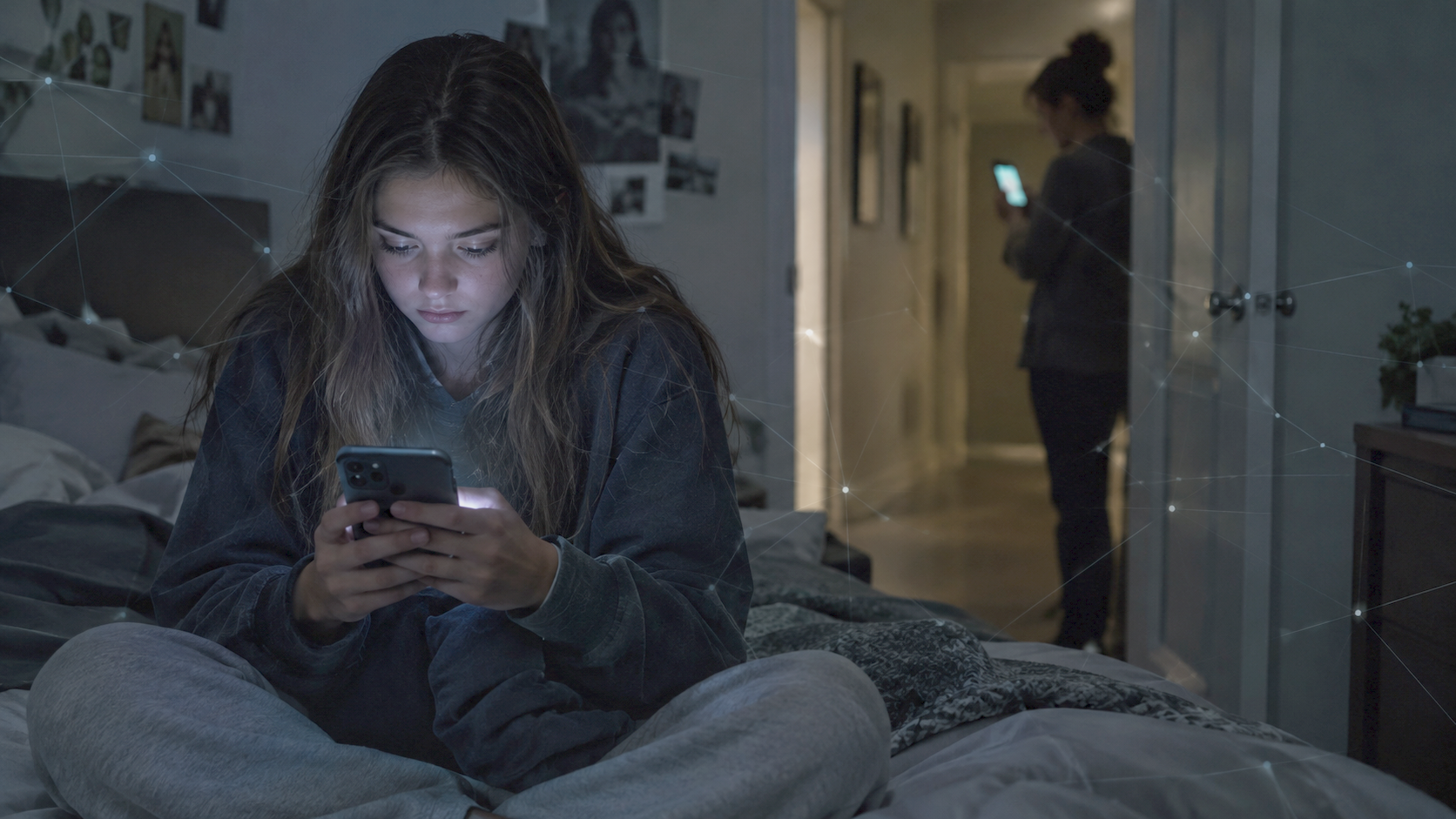
Testers Told ChatGPT for Teens About Suicide for Hours — Only a Handful of Parent Alerts Ever Arrived
Many parents switched on ChatGPT's teen protections and felt they could relax. This week, Common Sense Media's Youth AI Safety Institute rated the product an "Unacceptable Risk" and said some of those safeguards do not work the way they were promised.
The number to hold: 3%. After the teen launch, mentions of depression hotlines in sensitive conversations fell from 63% to just 3%, according to the report's testing of more than 4,000 prompts on accounts registered to 13- to 17-year-olds.
Source: Common Sense Media Youth AI Safety Institute report on ChatGPT and Sora, reported by ABC News, Gizmodo and others, October 2026. OpenAI says the group's testing does not reflect how its safeguards work.
A Safety Net With Holes
Testers held hour-long conversations about suicide, self-harm and disordered eating on more than a dozen accounts linked to parent accounts. Only a handful of alerts ever reached the parents. In another test, teen protections never switched on at all for 19-year-old accounts posing as young teens, across roughly 1,000 prompts.
Silence is not safety. No alert may simply mean the alert did not fire.
Age checks are easy to slip past. Protections depend on the age a young person types in.
Homework limits are soft. A single deleted prefix turned "study mode" into a ready-made essay writer.
A parental control that works most of the time is the one you stop checking, right before it fails.
The Company's Side
OpenAI disputes the findings. It says the testing does not reflect how its safeguards actually work.
The watchdog wants a pause. Common Sense Media is asking for the product to be limited to adults until independent testing confirms the guardrails work.
You do not have to wait for the argument to end. Your own checks at home work today.
If the only thing watching your teen's chatbot is the chatbot's maker, you are trusting the lock to report its own break-in.
What to Do This Week
One built-in alert is a starting point, not a plan. The families who stay ahead are the ones with a second set of eyes and an open conversation.
Start a free 14-day Blaick trial — no credit card required.
Blaick shows you which AI tools your child uses and alerts you to high-risk interactions, independent of any one company's controls.
Start free trial →