9 in 10 Kids Have Used an AI Chatbot — and the Ones Who Turn to It When Distressed Report Worse Mental Health
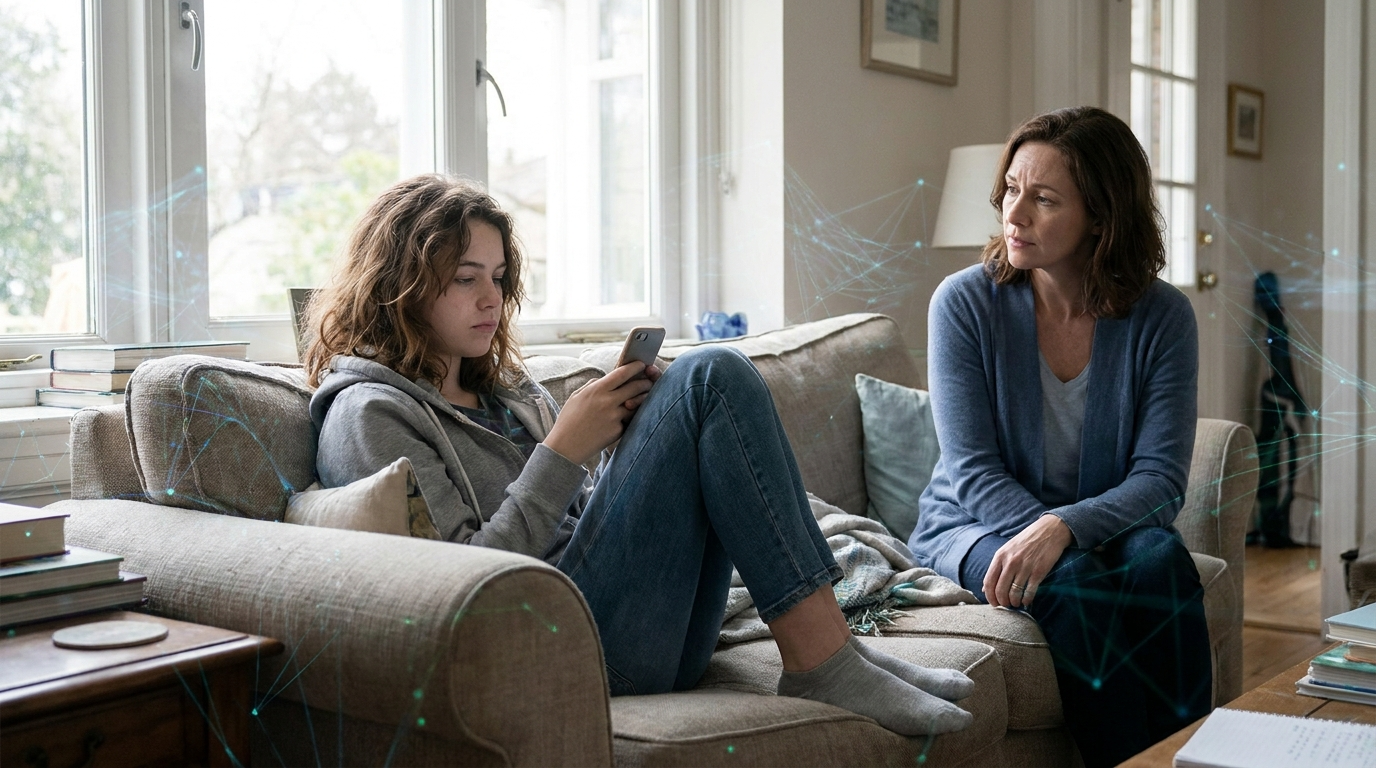
The JED Foundation surveyed 5,500 children aged 9 to 17 and found that 90% have used an AI chatbot. Nearly two-thirds use one for schoolwork, as company, or when they feel stressed, lonely, anxious or overwhelmed. The children who turn to AI while in distress are more likely to report poor mental health and a history of suicidal thoughts.
The number to hold: 9 in 10. A second survey, from Common Sense Media, found nearly half of 9- to 12-year-olds have already used a chatbot or AI companion, rising to nearly three-quarters by age 13.
Source: NPR, "Nearly 2 out of 3 teens and tweens use AI chatbots, new research shows" (Oct. 30, 2026), reporting on surveys from the JED Foundation and Common Sense Media and an upcoming University of North Carolina study. We have not reviewed the original reports.
Correlation, Not Cause, but Hard to Ignore
The JED researchers are careful here, and so should we be. Their data show a link, not proof that chatbots cause harm. Kids who are already struggling may simply be the ones who reach for a chatbot at 11pm.
JED's Kayla Anderson said it is unclear whether AI use is contributing to poor mental health. UNC developmental psychologist Anne Maheux said it may be making those struggles worse rather than helping.
"AI use may be exacerbating those mental health challenges instead of helping." — Anne Maheux, UNC Chapel Hill
Why a Chatbot Can Feel Like Relief and Still Backfire
A chatbot can ease loneliness or stress in the moment. But if it becomes the default fix, a child may never practise sitting with a hard feeling, texting a friend, or asking a grown-up. The UNC team, still to publish, found middle schoolers who used chatbots for companionship grew lonelier over time, and saw similar results in young adults.
Most of this happens in private, late at night, on a phone. The survey tells us how many kids use AI when upset. It can't tell you whether yours does.
What to Do This Week
A chatbot is always available. That is exactly why your child needs to know you are too.
Start a free 14-day Blaick trial — no credit card required.
Blaick helps you see how your child uses AI and flags worrying patterns, so you can step in with a conversation, not a crackdown.
Start free trial →